Reading Time: 4 minutes
Difficulty Level: Beginner (Basic wet/dry vacuuming and liquid flushing)
Estimated Time: 10 minutes
Denver Altitude Considerations: Included (Handling high-efficiency furnace condensation rates during extreme Colorado temperature drops)
The Mile-High Condensation Problem
Modern, high-efficiency furnaces (90% AFUE and above) don’t just produce heat; they produce water. As they extract every ounce of heat from the combustion gas, that gas cools and turns into liquid condensation; sometimes gallons of it a day during a brutal Denver winter.
This water is supposed to safely drain out of your house through a white PVC pipe. But over time, dust, dirt, and moisture create a thick, jelly-like algae that completely blocks the pipe.
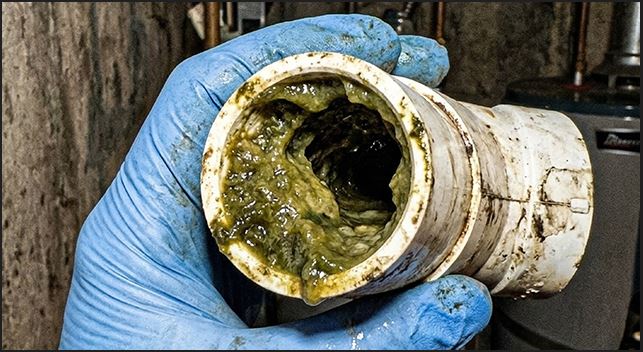
When the pipe backs up, the water overflows out of the machine and onto your floor, ruining drywall, warping floorboards, and growing black mold.
Here is exactly how to clear it before the damage spreads.
Step 1: The Shop-Vac Extraction (The Outside Hack)
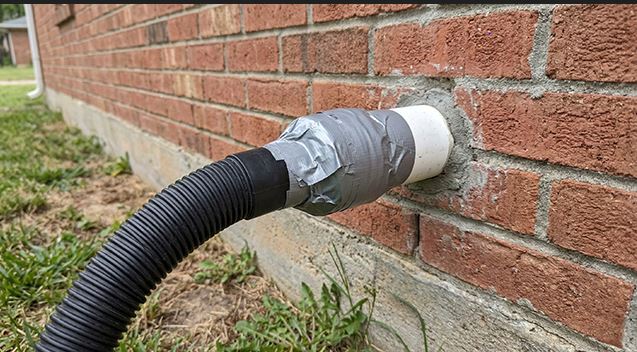
The Goal: Suck the algae sludge out of the pipe without taking your plumbing apart.
The Fix: Go outside your house and find where the 3/4-inch white PVC drain pipe exits the exterior wall. Take a standard wet/dry Shop-Vac, place the hose over the end of the PVC pipe, and wrap the connection tightly with duct tape to create an airtight seal. Turn the vacuum on for 3 solid minutes. You will likely hear a heavy “thunk” as the jelly clog is sucked out of the line.
Step 2: The Vinegar Flush (Kill the Algae)
The Goal: Destroy the remaining algae so it doesn’t grow back next week.
The Fix: Go back inside to your furnace. Look for a vertical, open-topped piece of PVC pipe sticking up from the drain line (this is the access T-pipe). Slowly pour 1/4 cup of distilled white vinegar down the pipe. Never use bleach. Bleach will eat through the plastic components inside your furnace and destroy your system.
🛑 STOP: When the Leak Requires a Pro
If you successfully vacuumed the line and flushed it, but water is still pouring out of the bottom of your HVAC cabinet, the problem is no longer a simple pipe clog.
You are facing one of two major system failures:
- A Dead Condensate Pump: If your furnace relies on an electric pump to push the water up and out of the basement, the motor has likely burned out and needs replacement.
- A Cracked Evaporator Pan: The internal plastic drain pan located inside the sealed evaporator coil cabinet has cracked from age and thermal expansion.
Do NOT attempt to pry open the sealed evaporator coil cabinet. If you accidentally bump or crimp the copper refrigerant lines inside, you will vent hazardous chemicals into your home and instantly cause $1,500+ in permanent damage to your compressor.
👉Looking for Emergency Repair at the Denver metro area? Visit our Denver Furnace Repair & Maintenance page to get an idea about common failures our network pros fix.
Stop the Water Damage. Call the Denver Elite
When water is threatening your basement flooring and drywall, you don’t have time to wait on a handyman who might show up tomorrow. You need a specialized high-altitude mechanic immediately.
👉Why Choose Our Vetted Denver Pros? Read Our Strict 5-Point Vetting Standard.
Stop the leak before the mold starts. Our network of elite mechanics is standing by to replace your dead pump or seal your cracked pan today.