Reading Time: 5 minutes
Difficulty Level: Beginner (Visual Inspection Only – No Tools Required)
Estimated Time: 10 minutes
Denver Altitude Considerations: Included (Combustion and airflow dynamics at 5,280 ft)
“It’s just an old house” is a phrase that landlords and cheap property managers love. They use it to explain why their bedrooms are freezing, their Xcel energy bills are $500, and they smell burning things. But weak airflow and loud bangs aren’t just things that happen in old Denver houses; they are signs of broken machinery.
When property managers skip yearly maintenance to save money, you end up with higher utility bills and worse air quality. I see it in the field every day. Use this 10-minute visual guide to find and record real negligence before your furnace breaks down in the middle of a freeze. Don’t take anything apart. Just watch, listen, and know when to make them call a licensed professional.
Part 1: The “Filter & Airflow” Check (Simple Do-It-Yourself)
Step 1: The Check for Suffocation
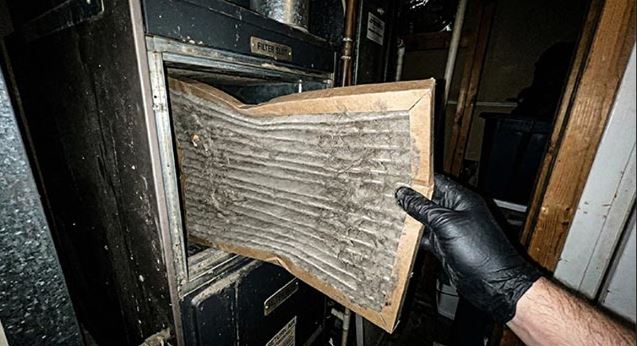
A system that can’t breathe is the most common reason for weak heat and very high bills. If your vents are barely letting air through, go to your furnace and pull the filter out of the return drop (the big metal duct that is attached to the side or bottom).
If the filter looks like a solid gray blanket of dust, or worse, if it is bent and pulled in toward the machine, your system is suffocating. The blower motor has to work twice as hard to pull air through a wall of dirt.
The solution: write it down. Snap a picture of the dirty filter. If sliding in a new, cheap fiberglass filter doesn’t fix the airflow right away, the sludge has already gone around the filter and stuck to the blades of the internal blower motor. To do that, you need a professional chemical strip.
Part 2: The “Flame Color” Test (The Fear Factor)
Step 2: The Sight Glass Test (Risk of Carbon Monoxide)
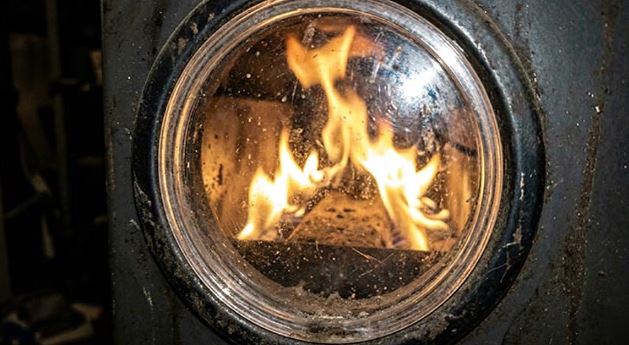
Don’t take the covers off the machine. Set your thermostat to a higher temperature so the heat comes on. Then, look through the small, clear plastic sight glass on the front of your furnace. Take a close look at the flames in the burner box.
A healthy, safe furnace has a bright blue flame that burns steadily and crisply. This means that the gas is burning all the way through.
If you look through that glass and see lazy, flickering, yellow or orange flames rolling around like a campfire, STOP. Don’t touch the machine. When the flames are yellow, it means that the fire isn’t burning all the way through. The furnace needs more oxygen, which makes carbon monoxide.
What to Do: This is a deadly safety risk. Use your phone to record the yellow flames and send it to your landlord right away, asking for a licensed professional. If they don’t, turn off the system and call for an emergency inspection.
Part 3: The “Sound” Diagnostic (Pre-work for Next Week)
Step 3: The “Boom” when you start up (Delayed Ignition)
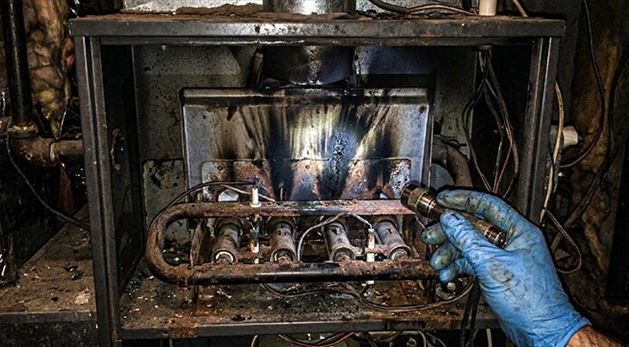
Stand next to your furnace as soon as the thermostat tells it to heat up. You will hear a click, a soft hum, and then the gas should light with a soft “whoosh.”
If you hear a loud, violent “BANG” or “BOOM” that shakes the metal cabinet, don’t let anyone tell you it’s just “old pipes expanding.”
The Mechanics: That noise is a small gas explosion. This is known as delayed ignition. The gas valve is opening and letting raw gas into the chamber, but the igniter isn’t lighting it right away. The gas builds up. When it finally gets a spark, it all goes off at once.
The Action: That explosive force will eventually break your heat exchanger, which will completely destroy the furnace and let carbon monoxide leak into your vents. A DIY clean won’t fix this. Send a video of the sound to a professional dispatcher so they can log the danger.
Conclusion: Don’t let “old house quirks” put you in danger
When it gets cold in Denver, a broken furnace isn’t just a comfort issue; it’s a huge safety and financial risk. Property managers might try to pass off weak airflow, $500 utility bills, or loud start-up bangs as normal wear and tear, but now you have the exact visual blueprint to hold them responsible.
Keep in mind that the steps in this audit are only for finding problems and keeping records. Don’t ever try to pull a caked blower motor, change the gas valves, or mess with a delayed ignition on your own. If you mess with a gas appliance without a license, you could lose your lease and put your life in danger. If your 10-minute visual check shows a system that is too hot, yellow flames, or loud startup noises, write down what you see right away and ask for a written request for a professional, licensed inspection.
If your property manager won’t do anything, sends an unqualified handyman, or if you need a certified expert to officially diagnose and red-tag a dangerous system, you can rely on the EmergencyHVACs network. We send out fully licensed and NATE-certified technicians all over the Denver metro area. They don’t cut corners or sign off on “landlord specials.”
Keep warm, stay safe, and don’t pay for someone else’s mistakes.